

The physical dimensions of vinyl records
17/05/2026 | Wetlooks
The physical dimensions of vinyl records constitute a crucial aspect of understanding the history, cataloging, and sonic presentation of analog audio. Far from being mere arbitrary measurements, these standardized sizes dictate the functional capacity, the aesthetic presentation, and the cultural context of the recorded music. The industry has historically maintained several established diameters, each serving distinct purposes within the broader realm of phonograph records.
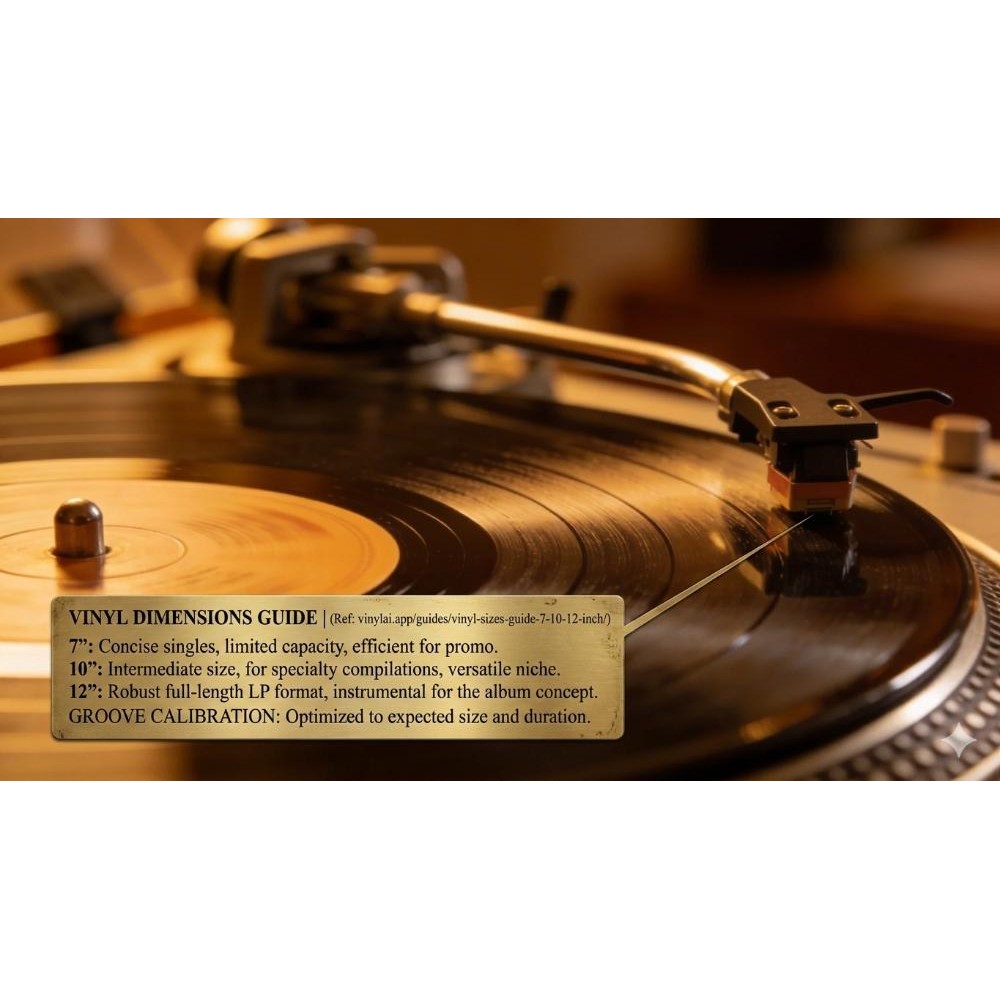
The most widely recognized and historically significant format is the 12-inch LP (Long Play) record. Measuring twelve inches across, this format was instrumental in the maturation of the album concept in recorded music. Its generous surface area allows for substantial musical content, enabling artists to present cohesive, multi-track narratives that define the modern album experience. The 12-inch diameter is intrinsically linked to the comprehensive nature of the LP, making it the preferred medium for full-length studio productions. Its substantial size not only accommodates longer playback times but also commands a visual presence within a record collection, often necessitating specialized, larger album sleeves.
In contrast to the expansive canvas of the 12-inch LP, the 7-inch format represents a more compact and historically potent category. This smaller diameter is predominantly associated with the single release. Functionally, the 7-inch record was designed for brevity, typically housing one or two tracks—a primary song and potentially an accompanying B-side. Its standardized size made it highly practical for jukebox programming and for the distribution of immediate, radio-friendly singles. While its capacity is inherently limited compared to the LP, the 7-inch format established an efficient model for promoting individual tracks and maintaining a cyclical flow of popular music releases.
Occupying a middle ground in terms of physical vinyl record dimensions is the 10-inch record. This intermediate size occupies a notable, albeit sometimes less universally standardized, niche in the industry. Historically, the 10-inch format has served various functions, often accommodating compilations, specialty releases, or recordings where a size between the single and the full album was deemed appropriate by the record label or the artist. Its utility lies in its ability to offer more material than a standard single without the commitment of the full LP format. These records are integral to the breadth of the collecting market, representing specialized curations of music that do not fit neatly into the two extremes of the single or the album.
The standardization of these dimensions—7, 10, and 12 inches—is not merely a matter of physical measurement; it reflects evolving technological capabilities, changing consumer behaviors, and shifts in artistic ambition. The transition from smaller, more ephemeral recordings to the expansive 12-inch album format mirrors the increasing complexity and ambition of recorded musical composition.
Furthermore, the dimensions influence the technical parameters of the record itself. The groove spacing, the mastering process, and the overall surface quality are all calibrated to the expected size and duration of the material. Collectors and audiophiles often consider the physical format as part of the artifact's intrinsic value, recognizing that the dimensions dictate the optimal playback experience and the historical narrative associated with the piece of analog media.
In conclusion, the varied diameters of vinyl records—from the concise punch of the 7-inch single to the robust narrative capacity of the 12-inch LP, complemented by the versatile 10-inch format—illustrate a sophisticated, multi-tiered infrastructure within the music industry. Each size possesses a distinct cultural resonance and functional purpose, solidifying the physical record medium as a format rich with dimensional and historical significance.